Thinking about buying a historic home in Saratoga Springs? The charm is real, but so is the homework. If you love older architecture, original details, and the idea of owning a piece of Saratoga’s story, it helps to know what you are taking on before you make an offer. This guide will walk you through the key things to check, the local rules that can affect your plans, and the practical issues that matter most so you can move forward with more confidence. Let’s dive in.
Start With Historic District Status
One of the first things to confirm is whether the home sits in one of Saratoga Springs’ local historic districts. The city has eight designated historic district areas: Race Course, Union Avenue, East Side, Congress Park, Hillside, Broadway, North Broadway, and Franklin Square. If a property is in one of these districts, exterior changes may be reviewed by the city’s Design Review Commission.
That matters because local historic district status can affect what you can change on the outside of the home. It is also separate from State or National Register listing. In Saratoga Springs, many properties in the Historic District are also listed on the National Register, so it is smart to check both early in the buying process.
Understand What Makes the Home Historic
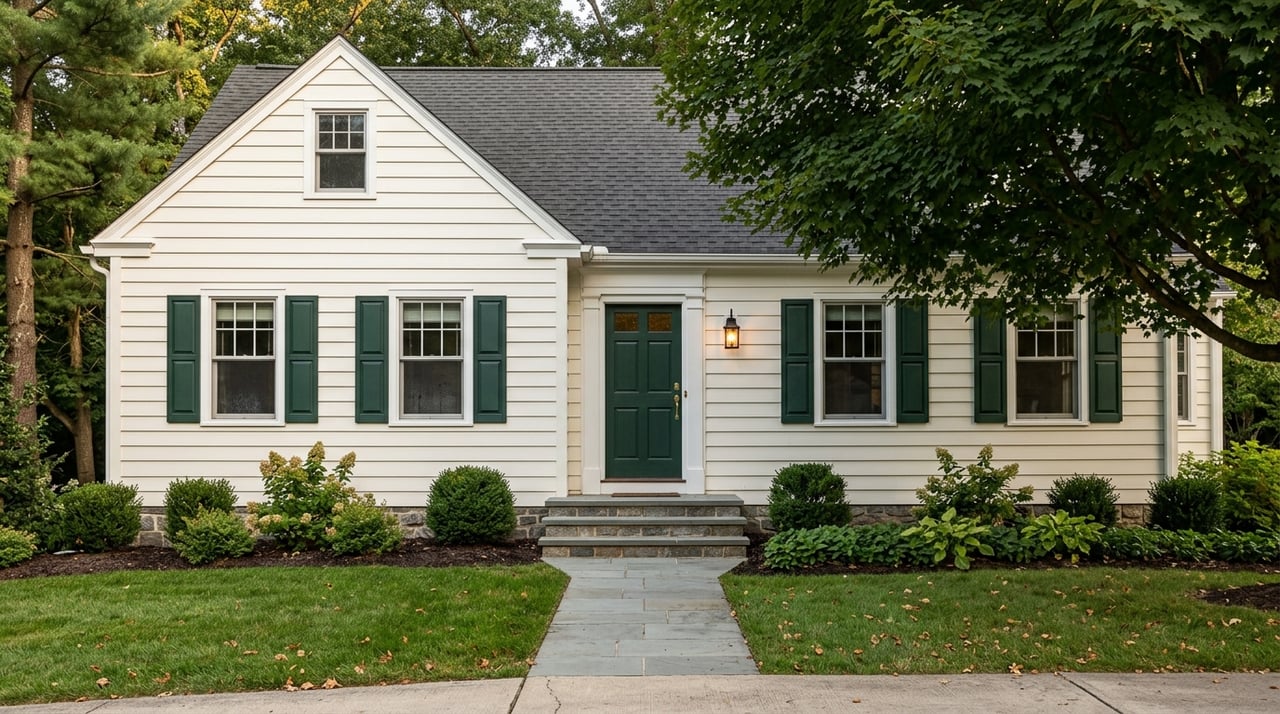
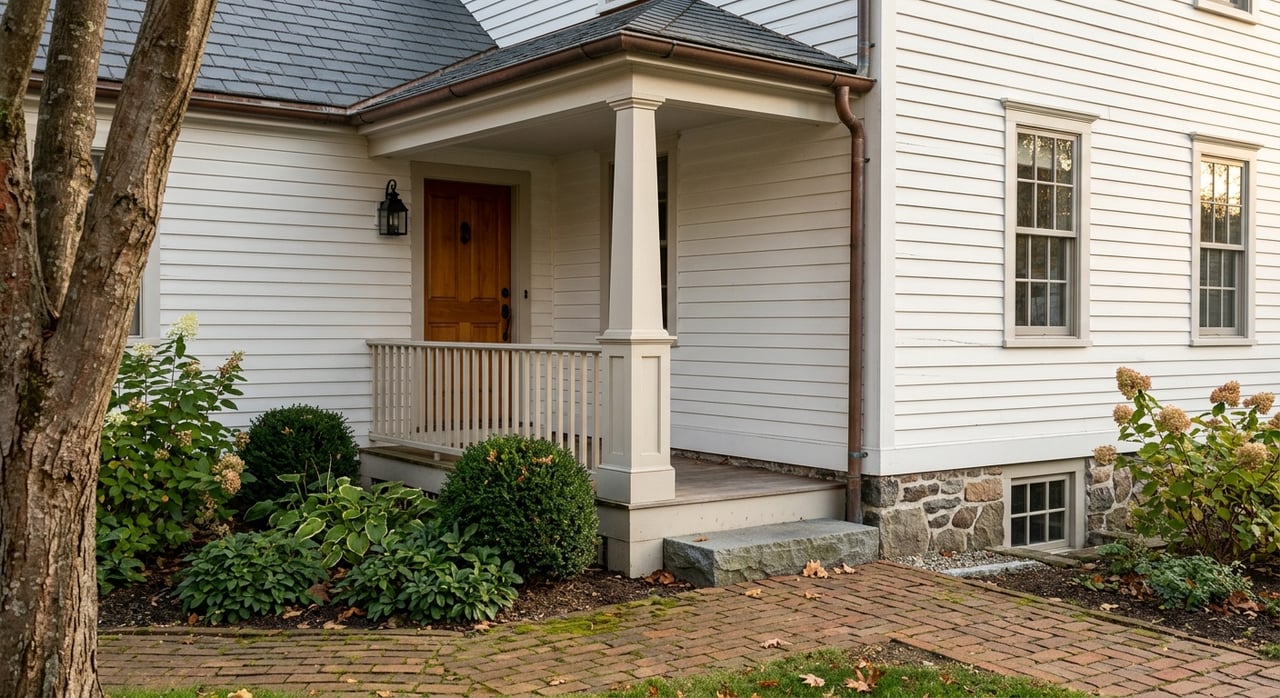
A historic home is not just old. Its value often comes from the details that give it character. In Saratoga Springs, city guidance specifically treats windows, doors, and porches as important character-defining features.
The city encourages preserving original trim, size, shape, proportion, and configuration whenever possible. It also discourages vinyl or metal windows on primary facades and synthetic replacements for wood siding and shingles. If the home has a historic porch, that feature is generally expected to be preserved rather than removed.
This does not mean every house must be frozen in time. The city notes that each building is reviewed individually, and exact restoration is not always economically practical. Still, if you are buying a historic home because you plan to “update everything,” it is worth slowing down and understanding which features may be important to preserve.
Look Closely at Condition, Not Just Charm
Historic homes can be beautiful, but beautiful and well maintained are not always the same thing. Before you fall too hard for original millwork or a wide front porch, pay close attention to the home’s maintenance history and current condition.
Moisture is one of the biggest threats to older buildings. A good inspection should look carefully at rooflines, gutters, flashing, masonry, drainage, and basement or crawlspace conditions. In many cases, the issue is not one dramatic failure. It is years of water getting in where it should not.
City guidance also leans toward repair over replacement when historic features have deteriorated. That can be helpful if you want to preserve the home’s original materials, but it also means you should budget with care. An older window may not need replacement, but it may need skilled repair.
Know the Rules Before Planning Exterior Updates
If you are buying in a local historic district and already imagining new windows, a porch rebuild, siding changes, or an addition, pause there. In Saratoga Springs, a property owner, lessee, or purchaser under contract must obtain Design Review Commission approval before making exterior changes, erecting signs, building, or demolishing a structure.
Some work does not require review. Ordinary maintenance or repair that does not change the design, material, or exterior appearance generally does not need historic approval. Interior work with no exterior change also does not require review.
The practical takeaway is simple: treat exterior updates as regulated decisions, not quick cosmetic projects. Roof work, siding, windows, doors, porches, driveways, walkways, screening, additions, and demolition can all trigger review.
Learn the Local Review Timeline
The review process is important to understand before you commit to a purchase, especially if your renovation plans affect your timing or budget. The city says the process starts with an application that includes photos, plans or drawings, and material details.
Applications must be submitted at least four weeks before review, and the Design Review Commission meets on the first and third Wednesday of each month. The city also advises owners not to order materials or start construction before approval. That may sound like a small detail, but it can save you from costly mistakes and scheduling headaches.
If you are buying a historic home with immediate exterior work in mind, this timeline should be part of your planning from day one. It is much easier to build extra time into your schedule than to rush and get stuck waiting.
Pay Attention to Windows, Doors, and Porches
In Saratoga Springs, these are not minor details. They are often central to how the home is viewed from a preservation standpoint. If the house still has original wood windows, historic doors, or a period porch, those features may shape both your maintenance needs and your renovation options.
The city’s guidance notes that well-maintained historic wood windows can last for generations. That is an important point for buyers who assume older windows automatically need to be replaced. In many cases, repair may be the preferred path.
Before you buy, ask yourself a few practical questions:
- Are the original features still in place?
- Have prior owners replaced materials with something less compatible?
- Do any visible repairs look temporary or poorly matched?
- Are you comfortable maintaining older materials over time?
These questions can help you separate cosmetic appeal from long-term responsibility.
Do Lead Paint Due Diligence
If the home was built before 1978, lead-based paint should be part of your due diligence. Older homes are more likely to contain lead paint, and federal law requires sellers, landlords, real estate agents, and property managers to disclose known lead information before a buyer signs a contract. Buyers must also be given available records and reports, along with the EPA lead pamphlet, and they receive a 10-day window to conduct a lead inspection or risk assessment.
This matters even more if you plan to renovate. Common work like sanding, cutting, and window replacement can create hazardous lead dust. If you expect to do updates after closing, it is wise to factor lead-safe work practices into both your planning and your budget.
Build the Right Team Early
Buying a historic home usually goes more smoothly when you have the right specialists involved early. The city recommends working with a design professional familiar with the local review process. That kind of guidance can be especially helpful if you are considering exterior changes after closing.
The city also notes that the Saratoga Springs Preservation Foundation maintains property files and often provides advisory opinions to the Design Review Commission. For a buyer, that is a good reminder that historic homes are best approached as both houses and preservation projects.
In plain terms, your team may need to think beyond a standard purchase checklist. Condition, maintenance history, approval requirements, and compatible repair options all deserve a closer look.
Ask About Tax Credit Potential
Some historic homes may qualify for New York’s Historic Homeownership Rehabilitation Credit. This program offers a 20% state income tax credit for qualifying owner-occupied historic residences.
That said, eligibility is limited, and work must be approved before it begins. If you are considering a major rehab, it is worth verifying early whether the home’s listing status and your project fit the program requirements. This is not something you want to discover after plans are already underway.
Think Like a Buyer and a Steward
A historic home can be incredibly rewarding to own, especially in a place like Saratoga Springs where architecture is part of the city’s identity. But the best purchases happen when you look at the home with both your heart and your checklist.
You want to understand not only what makes the home special, but also what it will take to maintain that character over time. That means checking district status, reviewing condition carefully, understanding approval requirements, and planning for the reality that older homes often need more thoughtful decision-making.
If you are considering a historic home in Saratoga Springs, a calm, organized strategy makes all the difference. When you are ready for guidance on evaluating homes, understanding local context, and moving through the process with confidence, schedule a free consultation with Katherine Sullivan.
FAQs
What should you check first before buying a historic home in Saratoga Springs?
- First, confirm whether the property is in one of Saratoga Springs’ local historic districts and whether it also has State or National Register status, since these designations are separate and can affect your plans.
What exterior changes require approval for a historic home in Saratoga Springs?
- In a local historic district, exterior changes such as windows, doors, porches, siding, roofs, additions, driveways, walkways, screening, signs, and demolition may require Design Review Commission approval.
Do interior renovations need historic review in Saratoga Springs?
- Interior work that does not change the exterior appearance of the home does not require historic review under the city’s guidance.
Why are windows and porches important in Saratoga Springs historic homes?
- The city treats windows, doors, and porches as major character-defining features and generally encourages preservation and compatible repair rather than unnecessary replacement.
What inspection issues matter most in an older Saratoga Springs home?
- Moisture-related problems are a major concern, so inspections should pay close attention to rooflines, gutters, flashing, masonry, drainage, and basement or crawlspace conditions.
What should buyers know about lead paint in older Saratoga Springs homes?
- If the home was built before 1978, buyers should review lead disclosures carefully and consider lead inspection or risk assessment options, especially if renovations are planned.
Can a Saratoga Springs historic home qualify for a tax credit?
- Some owner-occupied historic residences may qualify for New York’s Historic Homeownership Rehabilitation Credit, but eligibility is limited and project approval must happen before work begins.