If you love Clifton Park but do not love the idea of spending every weekend on yard work, snow removal, or exterior upkeep, you are not alone. Many buyers, especially downsizers, busy professionals, and relocation clients, want a home that feels easy to live in without giving up convenience or comfort. The good news is that Clifton Park offers several practical low-maintenance living options, and understanding the trade-offs can help you choose with confidence. Let’s dive in.
What low-maintenance living means
Low-maintenance living does not always mean the same thing from one property to the next. In Clifton Park, it usually refers to a home where some or most exterior chores are handled through a condominium association, homeowners association, or a planned community structure.
That can include landscaping, snow-related tasks, common-area care, and sometimes items like roads, roofs, or recreation areas. In exchange, you usually take on monthly dues, shared rules, and less control over certain exterior decisions.
Why Clifton Park fits this lifestyle
Clifton Park has a mix of suburban convenience and local amenities that naturally supports maintenance-light living. The town includes about 50 square miles of land and had a 2020 population of 38,209, with a development pattern that places more residential growth and commercial infrastructure along the eastern corridor near the Northway.
The town also highlights amenities that appeal to buyers looking for ease and convenience, including a 15-mile trail network, Clifton Common, parks, an active senior community center, and Town Center Park. Around Moe Road and Maxwell Drive, the town notes direct connections between the park, shopping, offices, restaurants, residential living, and community activities.
That matters because low-maintenance homes often work best when daily errands and recreation are close by. If you can spend less time maintaining a property and less time driving around town, the lifestyle starts to make a lot of sense.
Where to look in Clifton Park
If low-maintenance living is your goal, the eastern and central parts of Clifton Park are usually the first places to focus on. The town’s comprehensive planning identifies the more centralized business corridor and concentrated infrastructure near Exit 8, Exit 9, Route 9, and Route 146 east of Vischer Ferry Road.
That same pattern lines up with where attached or compact planned housing is more likely to appear. By contrast, the western side of town is described as more rural residential, agricultural, and recreational, which generally means fewer attached or maintenance-light options.
A few location examples from local records and community sources help show the pattern:
- Monmouth Way Condominium is on Monmouth Way and about 5 minutes east of the Northway at Exit 8A.
- The Meadows of Clifton Park is a 47-lot subdivision off Exit 9W and NY-146.
- Town Center near Moe Road and Maxwell Drive includes a mix of park access, shopping, offices, restaurants, and residential living.
If you want convenience, easier access to services, and a stronger chance of finding a lower-upkeep property, this side of town is a smart place to begin.
Condos offer the least daily upkeep
For many buyers, a condominium is the most straightforward low-maintenance option. New York defines a condo as a single real estate unit in a multi-unit development, where you own your individual unit and also share an undivided interest in the common elements.
In practical terms, that usually means less day-to-day exterior responsibility for you. Shared spaces and many exterior elements are handled at the community level, which can be especially appealing if you are downsizing or simply want fewer chores on your plate.
Monmouth Way Condominium is a useful local example of this style of living in Clifton Park. Its location near Exit 8A also shows why condos often appeal to buyers who want easier highway access and proximity to established infrastructure.
That said, condo living is not something you want to evaluate casually. The New York Attorney General recommends that buyers read the entire offering plan and consult an attorney before signing, because that plan lays out what is actually included, such as amenities, parking, and common areas.
Townhomes balance convenience and space
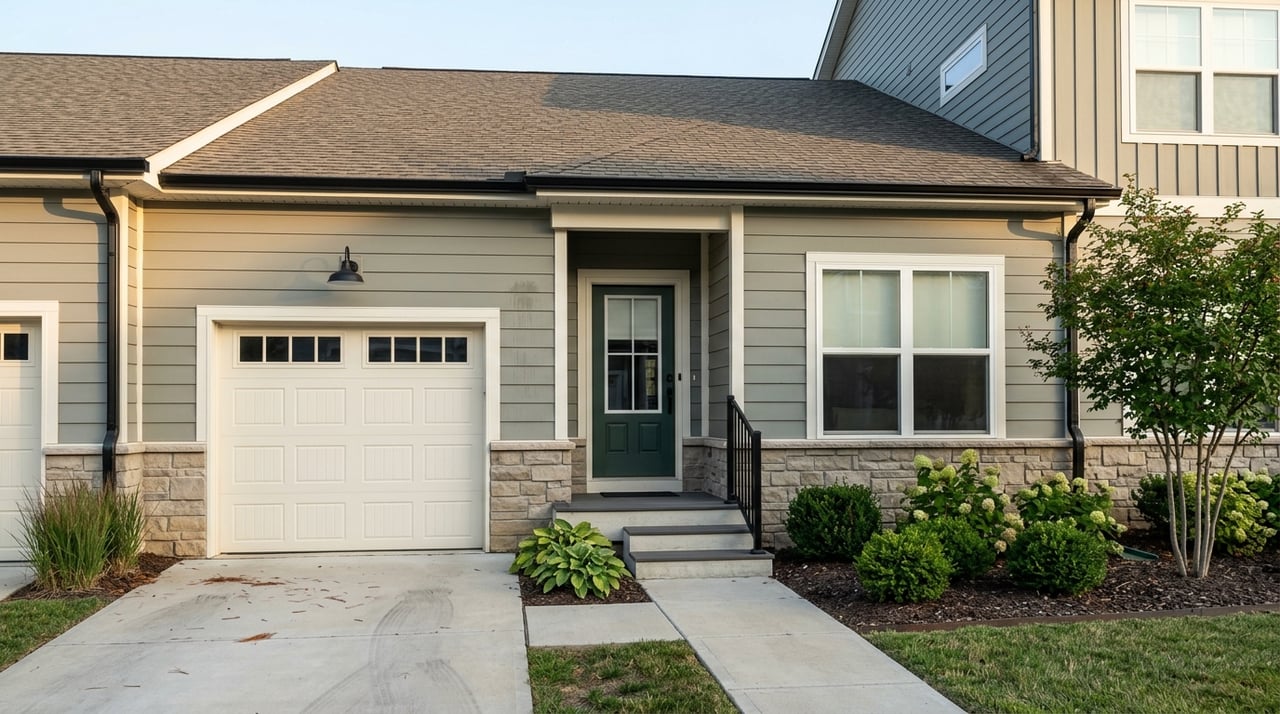
Townhomes and other HOA-managed attached homes often sit in the middle ground between a condo and a detached house. You may get more interior space, a more home-like layout, and sometimes a bit more separation than a condo, while still reducing some of the ongoing maintenance burden.
In New York, a homeowners association is typically created to develop and manage a community of homes, townhomes, or condo units. HOAs can manage common elements and often handle repairs and maintenance for parts of the community such as roads, roofs, and recreation facilities.
The trade-off is that you also agree to a shared set of rules. Those rules may cover pets, parking, fences, or other exterior details, so it is important to know exactly what you are signing up for.
Clifton Park planning records show that attached, higher-density housing forms are part of the town center pattern. A 2021 Planning Board record referenced proposed brownstone townhomes and up to 50 residential units within Town Center zoning, which supports the idea that this kind of housing is more common in the eastern and central corridors.
Smaller-lot single-family homes offer flexibility
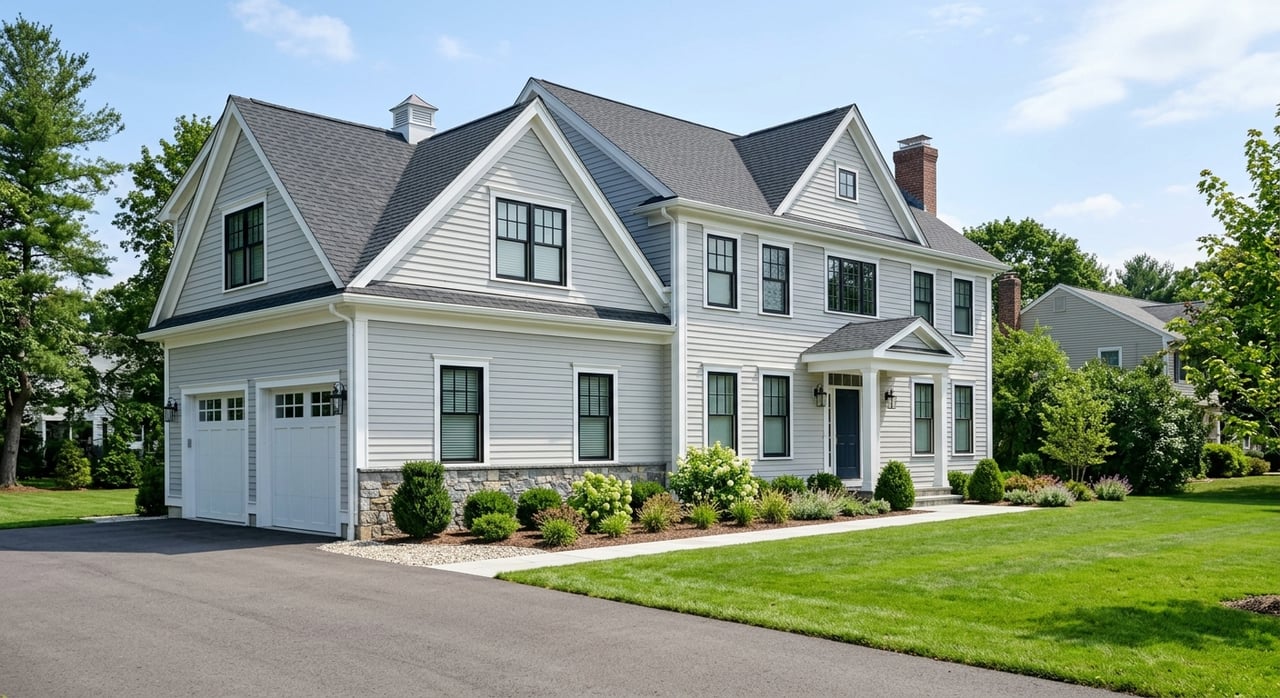
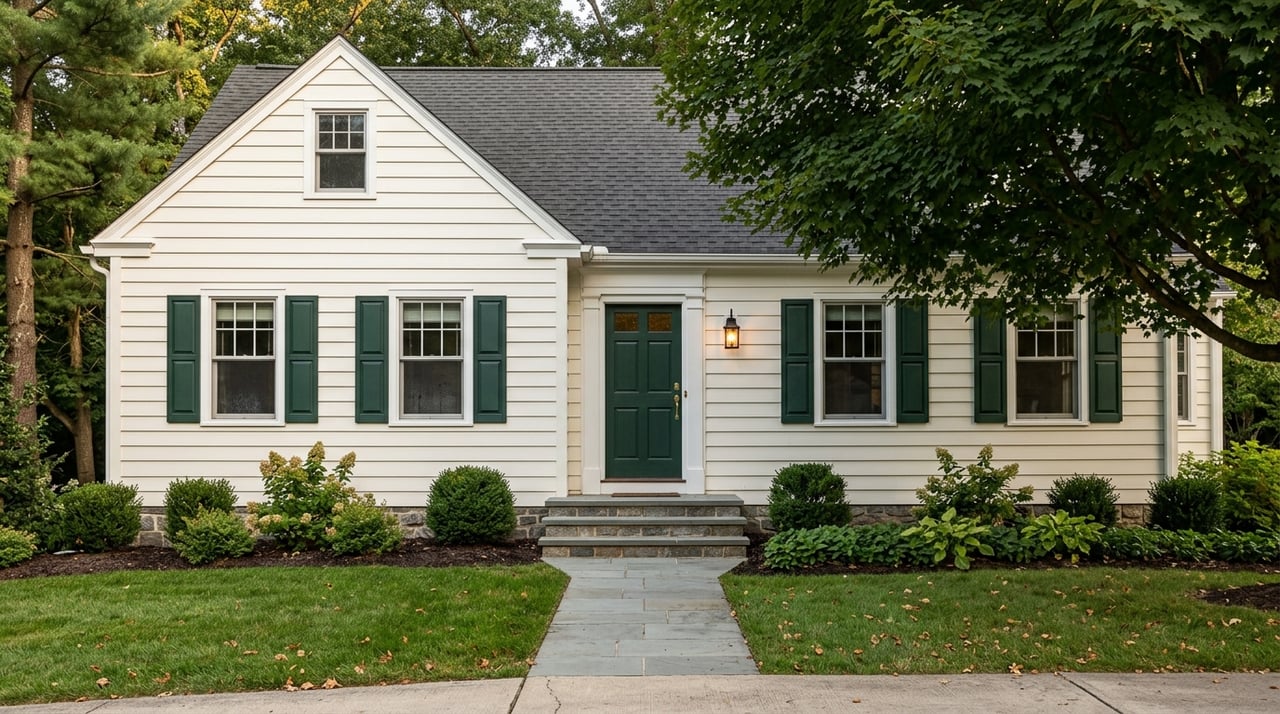
If you want fewer maintenance demands but are not ready for shared walls, a smaller-lot detached home in a planned subdivision can be a strong option. This is often the sweet spot for buyers who want privacy and autonomy, but not the full workload of a large-lot property.
These homes are still single-family residences, so you generally have more independence than you would in a condo or attached townhome. At the same time, if the neighborhood has an HOA, there may be structure around exterior maintenance expectations and community standards.
Southwick Meadows shows how this can work locally. Its HOA site references 114 single-family homes and includes resident materials for lawn, driveway, and property maintenance, along with exterior changes and compliance.
The Meadows of Clifton Park is another helpful example. The builder describes it as a 47-lot subdivision with several colonial and ranch floor plans, reinforcing the idea that Clifton Park offers a middle-ground option between traditional suburban living and fully attached housing.
Compare the main trade-offs
The easiest way to think about low-maintenance living is this: the less exterior work you handle yourself, the more likely you are to have shared costs, shared rules, and less privacy.
Here is a simple comparison:
| Option | Typical upkeep level | Privacy level | Common trade-off |
|---|---|---|---|
| Condo | Lowest | Lowest | More shared rules and monthly fees |
| Townhome or attached HOA home | Low to moderate | Moderate | Shared maintenance, but more restrictions |
| Smaller-lot single-family home | Moderate | Highest of the three | More owner responsibility, even with HOA guidelines |
None of these options is automatically better than the others. The right fit depends on how you want to live, what level of predictability you want in your monthly housing costs, and how much control you want over your property.
What buyers should review carefully
This is the part where being organized really pays off. In communities with condo or HOA structures, the details matter a lot, and two homes that seem similar online can come with very different maintenance responsibilities.
Before you buy, review the documents that explain how the community works. The most important items often include:
- The offering plan
- Bylaws and rules
- Budget information
- Meeting minutes
- A clear list of what the association maintains
- A clear list of what the owner maintains
The New York Attorney General specifically warns buyers not to rely on brochures or verbal promises. Amenities, landscaping, parking, roadways, and other features need to be confirmed in the governing documents, not assumed.
What sellers should be ready to show
If you are selling a low-maintenance home in Clifton Park, buyers will often ask very specific questions early. They want to know what the dues cover, what restrictions exist, and how the maintenance split works.
That means good preparation can make a real difference. Having association documents, budget details, and a simple explanation of what is covered can help reduce uncertainty and make your home easier to evaluate.
This is especially important in Clifton Park, where maintenance-light housing can vary quite a bit from one community to the next. A condo near Exit 8A, an attached home near Town Center, and a detached home in a planned subdivision may all appeal to similar buyers, but the ownership experience can be very different.
Who benefits most from low-maintenance living
This kind of housing can work well for several types of buyers. If you are downsizing, the biggest question is often whether the monthly HOA cost feels worth it in exchange for less yard work, roof responsibility, snow-related work, and exterior upkeep.
If you are a busy professional or relocating to the Capital Region, location efficiency may matter just as much as maintenance savings. Homes near Exit 8A, Exit 9W, Route 9, Route 146, or Town Center can simplify errands and commuting.
If you are buying for the first time, the decision often comes down to cost structure. Some buyers prefer the predictability of dues and shared maintenance, while others prefer the independence of a detached home even if repairs are less predictable.
How to narrow your search
When clients tell me they want a low-maintenance home, I usually suggest starting with lifestyle questions before looking at listings. That keeps you from falling in love with a floor plan that does not actually fit how you want to live.
Ask yourself:
- Do you want the least amount of exterior upkeep possible?
- Are shared walls a deal breaker for you?
- Do you want to be close to shopping, parks, and main roads?
- Are monthly dues worth it if they reduce surprise maintenance?
- How much privacy matters to you day to day?
- Are you comfortable with community rules on parking, pets, or exterior changes?
Those answers can quickly point you toward condos, townhomes, or smaller-lot detached homes. They can also help you focus your search on the areas of Clifton Park where those options are more likely to be available.
If you are trying to sort through the pros and cons of low-maintenance living in Clifton Park, a clear local strategy makes the process much easier. Katherine Sullivan can help you compare communities, understand the trade-offs, and choose the option that fits your life best.
FAQs
What is the lowest-maintenance housing option in Clifton Park?
- Usually a condo, because you own the unit while common elements are shared, though the exact maintenance split depends on the offering plan and association documents.
Where should you look first for low-maintenance homes in Clifton Park?
- Start with the eastern and central corridors near Exit 8A, Exit 9, Route 9, Route 146, Clifton Park Center, and Town Center, where infrastructure and compact housing patterns are more concentrated.
Are townhomes in Clifton Park usually part of an HOA?
- Often, yes. HOA-managed attached homes commonly include shared rules and common-area management, and may handle some maintenance for items like roads, roofs, or recreation facilities.
Can a single-family home in Clifton Park still be low-maintenance?
- Yes. Smaller-lot detached homes in planned subdivisions can offer a lower-maintenance lifestyle than a large-lot home, especially when community standards or shared responsibilities are in place.
What should buyers review before purchasing a condo or HOA home in Clifton Park?
- Review the offering plan, bylaws, budget, meeting minutes, and the exact list of what the association maintains versus what you maintain as the owner.
What should sellers provide when listing a low-maintenance home in Clifton Park?
- Be ready to share association documents, maintenance details, and a clear explanation of what the dues cover, since buyers often compare these homes based on costs, responsibilities, and restrictions.