Buying your first home in East Glenville can feel exciting right up until the numbers, paperwork, and fast-moving listings start flying at you. If you are trying to figure out what you can afford, what kind of homes you may find here, and how to compete without making a rushed decision, you are not alone. This guide breaks down the basics in plain English so you can move forward with more confidence and fewer surprises. Let’s dive in.
Start With Your Budget
Before you look at homes, get clear on what homeownership may cost month to month in East Glenville. According to U.S. Census QuickFacts for East Glenville, the median owner cost with a mortgage is $2,065 per month, while median gross rent is $1,470.
That does not mean buying is always the wrong move or that renting is always cheaper for you. It does mean you should budget for the full cost of ownership, not just a mortgage payment. In this area, that includes principal, interest, property taxes, insurance, and a maintenance cushion.
Know the Main Upfront Costs
Many first-time buyers focus on the down payment and forget the rest. The Consumer Financial Protection Bureau says closing costs typically run about 2% to 5% of the purchase price, excluding your down payment.
The same CFPB guidance also notes that if you put less than 20% down, you will likely need mortgage insurance. That is common for first-time buyers, so the key is to plan for it early instead of treating it like a surprise expense.
Understand Debt-to-Income Ratio
Lenders also look at your debt-to-income ratio, often called DTI. The CFPB defines DTI as your total monthly debt payments divided by your gross monthly income, and lenders may use different limits when reviewing your loan application.
In simple terms, your budget is not just about how much house payment you want to make. It is also about how your car payment, student loans, credit cards, and other debts fit into the picture.
Use Rates as a Guide, Not a Guarantee
Mortgage rates matter, but they move constantly. Freddie Mac reported a 30-year fixed-rate average of 6.38% on March 26, 2026, but your actual rate depends on timing, credit, loan type, and lender terms.
That is why a preapproval is so useful. It gives you a more realistic monthly estimate than any headline rate you see online.
Know What Homes Look Like Here
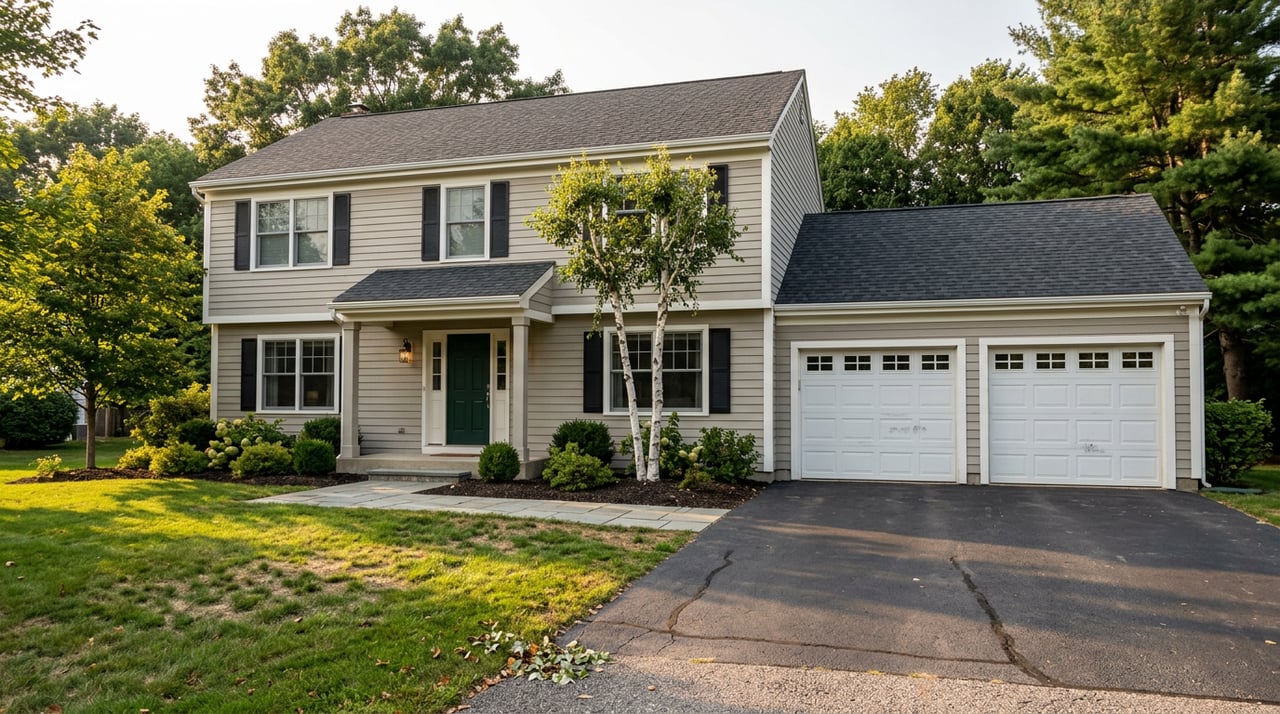
East Glenville is not a market filled mostly with brand-new condos or large apartment towers. Housing data from Point2Homes shows that 63.5% of homes are one-unit detached properties, and the median construction year is 1966.
That age matters for first-time buyers. You may find solid single-family homes with space and established lots, but you should also expect that many homes may have older systems, layouts, or maintenance needs.
Expect Older Housing Stock
The broader Town of Glenville planning report adds helpful context. It notes that about 75% of housing units in town are detached single-family homes, with many built before 1939 and another major concentration built in the 1950s and 1970s.
For you, the takeaway is simple: in East Glenville, your first home search will likely center on older single-family houses more often than new construction. That can be a great fit, but it makes inspections and repair planning especially important.
Prepare for a Competitive Market
One of the hardest parts of buying your first home is realizing that a "good deal" does not always mean a low offer in a fast market. In East Glenville, recent data points to conditions that can move quickly.
Realtor.com’s East Glenville market snapshot showed 20 homes for sale, a median listing price of $387,499, a sale-to-list ratio of 100%, and 21 median days on market in February 2026. That suggests buyers should be ready for homes to attract attention without sitting around for long.
Why Preapproval Matters
Broader Glenville market data from Redfin describes the area as very competitive, with many homes receiving multiple offers. Some homes may even sell above list price or move to pending status quickly.
As a first-time buyer, that does not mean you need to panic. It does mean a strong preapproval, clean paperwork, and realistic expectations can matter more than waiting around for the perfect bargain.
Move Fast, But Stay Grounded
A competitive market can make you feel pressure to waive protections or stretch your budget. Try not to confuse speed with strategy.
You can be decisive and still be careful. The goal is to understand your ceiling, know your must-haves, and act quickly when a home fits both.
Do Not Skip the Inspection Conversation
In a market with older homes, inspections are a major part of protecting yourself. The CFPB’s inspection guidance makes an important point: a home inspection is different from an appraisal.
An appraisal helps the lender assess value. An inspection helps you understand the property’s condition and identify issues that may need repair, further review, or negotiation.
Why Inspections Matter in East Glenville
Because much of the local housing stock dates back decades, an inspection can give you clarity on big-ticket items such as roofing, heating and cooling, electrical systems, plumbing, drainage, or structural concerns. Not every older home has major problems, but older homes usually deserve a closer look.
The CFPB recommends scheduling an independent inspection as soon as possible so you have time to review findings and arrange any additional inspections if needed. That timeline matters, especially when the market is moving quickly.
Learn the Closing Process Early
Closing can feel like a blur if you wait until the final week to understand it. The good news is that a little preparation goes a long way.
The CFPB says lenders must provide your Closing Disclosure at least three business days before closing. You should compare that document with your original Loan Estimate and pay close attention to lender fees that can vary when you compare loan offers.
Keep Your Paperwork Organized
This is one of those not-fancy but very real first-time buyer lessons. If your financial documents, bank statements, IDs, and loan paperwork are easy to access, the process is usually smoother.
A calm, organized approach helps you ask better questions and spot issues before they become last-minute problems. It is not glamorous, but it works.
Look Into New York Buyer Assistance
If saving for a down payment and closing costs feels like the biggest hurdle, you may have more options than you think. New York State Homes and Community Renewal says SONYMA offers low-interest mortgage loans and programs that can help qualified buyers purchase their first home.
These resources can include fixed-rate mortgages, down payment assistance, optional repair or remodeling programs, and access to nonprofit housing counselors. For some buyers, that support can make the difference between waiting indefinitely and making a workable plan.
What SONYMA May Help Cover
HCR notes that SONYMA’s down payment assistance loan can help with down payment and closing costs, and in some cases certain mortgage insurance costs. The program also requires at least a 1% cash contribution from the buyer.
HCR further explains that some target-area rules may relax first-time buyer and income requirements if a property qualifies by address and census tract. If you are buying in East Glenville, that is worth checking before you assume you do not qualify.
A Simple First-Time Buyer Game Plan
If you want to keep this process manageable, focus on the next right step instead of trying to solve everything at once. A straightforward plan usually looks like this:
- Review your monthly budget and current debts.
- Get preapproved with a lender.
- Estimate your down payment and closing costs.
- Research assistance options like SONYMA.
- Narrow your search based on payment comfort, not just maximum approval.
- Be ready to act quickly on homes that fit.
- Protect yourself with a careful inspection process.
- Compare final loan documents before closing.
That may not sound flashy, but buying your first home rarely rewards chaos. It rewards preparation.
Why Local Guidance Helps
East Glenville offers a housing mix that can be appealing for first-time buyers, especially if you want a detached home and are open to older housing stock. At the same time, competitive conditions, limited rental inventory, and real monthly ownership costs make it important to go in with a clear plan.
If you want a calm, organized path through the process, Katherine Sullivan can help you think through timing, budgeting, and what to watch for as you start your East Glenville home search. Schedule a free consultation.
FAQs
What should first-time homebuyers budget for in East Glenville NY?
- In addition to your down payment, budget for closing costs, mortgage payment, property taxes, insurance, and ongoing maintenance. Census data shows median monthly owner costs with a mortgage are higher than median gross rent in East Glenville, so it is smart to plan for the full monthly picture.
What kind of homes do first-time buyers usually find in East Glenville NY?
- East Glenville housing is dominated by detached single-family homes, and much of the housing stock is older, with a median construction year of 1966. That means you may see more older houses than new construction options.
How competitive is the East Glenville NY housing market for first-time buyers?
- Recent market trackers describe East Glenville and the broader Glenville area as competitive, with relatively low inventory, strong sale-to-list ratios, and some homes receiving multiple offers. A preapproval and realistic pricing strategy can help you compete more effectively.
Why is a home inspection important for first-time buyers in East Glenville NY?
- A home inspection helps you understand the condition of the property, which is especially important in an area with many older homes. It is different from an appraisal and can uncover issues that may affect your decision, negotiations, or repair planning.
Are there first-time homebuyer programs available in New York State?
- Yes. New York State Homes and Community Renewal says SONYMA offers low-interest mortgages, down payment assistance, and other resources for qualified buyers, including access to nonprofit housing counselors.
How much are closing costs for first-time buyers?
- The CFPB says closing costs typically range from 2% to 5% of the purchase price, not including your down payment. Your actual amount will vary, so it is important to review your Loan Estimate and Closing Disclosure carefully.